

About Course
Abuse happens in every country and every community. This course helps you understand what abusive behaviour is, why it happens, the harm it causes, and what you can do to help stop it.
You will learn to recognise the different forms of abuse, including emotional, financial and digital abuse and coercive control. You will explore the beliefs and myths that allow abuse to continue, what healthy and respectful relationships look like, and how to respond safely and supportively if someone tells you they are being abused. The course also includes guidance for people who are worried about their own behaviour and want to change.
What makes this course different
- Clear, plain-language lessons with real-life (fictional) case studies
- Interactive activities, including a branching scenario on responding to a disclosure
- International support information, with services and directories that work in any country
- A clear message throughout: abuse is a choice, and stress, alcohol or a difficult past never excuse it
Course structure
8 modules, 30 lessons, 7 Module Knowledge Checks and a Final Course Assessment. Allow around 2 to 3 hours, at your own pace.
Certificate
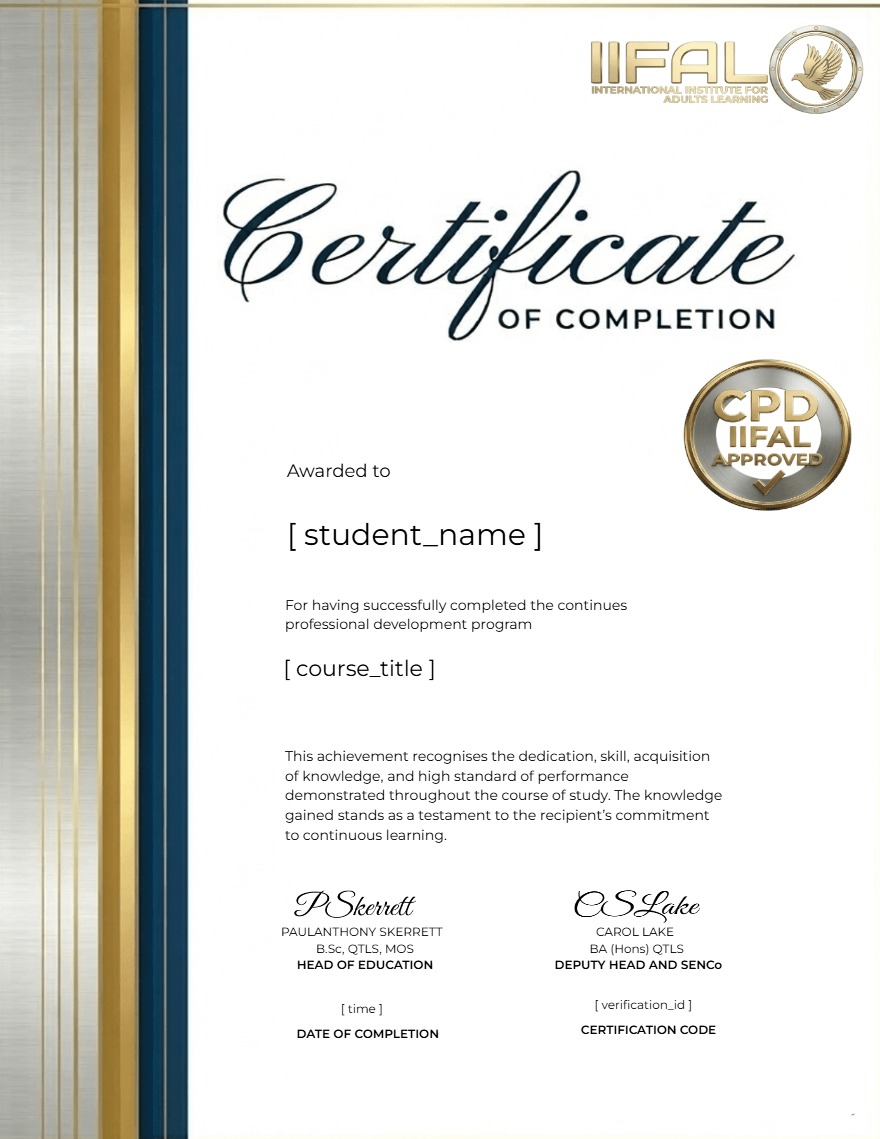
Module Knowledge Checks have unlimited attempts and no time limit. To receive your IIFAL certificate, achieve 70% or more in the Final Course Assessment (three attempts).
This CPD course is designed, quality-assured and certified by IIFAL.
A note on safety
This course covers subjects that some people may find upsetting. If you or someone else is in immediate danger, call your local emergency number. To find confidential support in your country, visit the NO MORE Global Directory or Find A Helpline.
Course Content
Module 1: Understanding Abusive Behaviour
Welcome to the Course
Lesson 1.1: What Is Abusive Behaviour?
Lesson 1.2: Power and Control
Lesson 1.3: Recognising the Warning Signs
Module 1 Knowledge Check: Understanding Abusive Behaviour
Module 2: Why Abuse Happens
Module 3: Patterns and Impact
Module 4: Challenging Attitudes and Myths
Module 5: Healthy Relationships
Module 6: Managing Stress, Anger and Conflict
Module 7: Seeking Help and Support
Module 8: Creating Lasting Change
Earn a certificate
Add this certificate to your resume to demonstrate your skills & increase your chances of getting noticed.