4.67
(3 Ratings)

Safeguarding Children Level 1 – Online Training Course

About Course

The Safeguarding Children Level 1 Online Training Course is designed for anyone who works with, or comes into contact with, children and their families. This course raises awareness of child safeguarding and outlines the key responsibilities of all staff in protecting children from harm.

Delivered 100% online, this self-paced course takes approximately 90 minutes to complete and includes a final a0ssessment. Learners can study at their own pace, with the flexibility to pause and resume anytime during their 90-day access period.

The course covers:

  • The meaning and importance of safeguarding

  • Key legislation and legal responsibilities

  • Recognising signs of abuse

  • Responding to disclosures from children

  • Reporting and recording concerns accurately

  • Basic online safety awareness

Upon successful completion, learners receive a CPD-certified certificate, which can be downloaded immediately. Coordinators also have access to download certificates via the course dashboard.

This course is ideal for Teaching Assistants, Teachers, school support staff, volunteers, and anyone needing foundational safeguarding awareness in line with UK safeguarding standards.

Show More

What Will You Learn?

  • Understand the fundamental principles of safeguarding children
  • Recognise the main types of abuse and their indicators
  • Identify other forms of harm including peer-on-peer and online abuse
  • Know how to respond appropriately to disclosures from children
  • Learn how to report and record safeguarding concerns effectively
  • Understand the roles and responsibilities of staff in safeguarding
  • Be aware of key legislation and guidance relating to safeguarding

Course Content

Module 1 – Course Aims and Learning Outcomes
Module 1 introduces learners to the importance of safeguarding children and the purpose of the course. It explains why all staff and anyone working with children or their families need a solid understanding of safeguarding. The module also outlines the course aims and the learning outcomes, giving learners a clear picture of what they will know and be able to do by the end of the training.

  • Lesson 1.1: Why you need to know about safeguarding children
    00:41
  • Lesson 1.2: Course aims and learning outcomes

Module 2 – Introduction to Safeguarding
Module 2 provides an introduction to safeguarding children, helping learners understand what safeguarding means in practice and why it is essential in any setting where children are present. The module covers key legislation and statutory guidance that underpin safeguarding responsibilities, including how laws protect children and guide professional practice. It also outlines the specific responsibilities of staff, volunteers, and anyone working with children or their families, ensuring that learners know their role in creating a safe, supportive, and protective environment.

Module 3 – Identifying Signs of Abuse
In this module, learners explore how to identify signs of child abuse and understand the different ways children may be harmed. The main categories of abuse include physical, emotional, and sexual abuse, as well as neglect, each with clear indicators such as injuries, behavioural changes, or unmet needs. The module also covers other forms of harm, including peer-on-peer abuse and online abuse, which can affect children in schools and at home. Learners will also gain awareness of vulnerable children, such as those with additional needs, those in challenging family circumstances, or those at risk of social isolation. By recognising these signs and understanding vulnerability, adults can take prompt action to protect children and provide the support they need.

Module 4 – Responding to Disclosures from Children
This module focuses on how adults should respond when a child shares information about possible abuse. Concerns may come to your attention through direct disclosure, behavioural changes, or observations of injuries or neglect. Children often do not disclose abuse because they feel scared, ashamed, or unsure if they will be believed. When a child does confide in you, it is essential to respond calmly, listen carefully, and show support without expressing shock or judgment. Avoid actions such as asking leading questions, making promises of confidentiality, or attempting to investigate the situation yourself. Instead, record the child’s words accurately, note the facts, and report your concerns promptly to the designated safeguarding lead (DSL). By responding appropriately, adults can ensure the child feels heard and protected, while safeguarding procedures are followed effectively.

Module 5 – Reporting and Recording Concerns
This module explains how to respond once a safeguarding concern has been identified. People may not report concerns for various reasons, including fear of being wrong, uncertainty about the process, or worry about upsetting colleagues or families. It is essential to follow the correct procedures and report concerns promptly to the designated safeguarding lead (DSL) or relevant authority. Reports should include factual and precise information, such as what was observed, who was involved, and when it occurred. If a concern is not initially believed, staff should continue to follow procedures and escalate appropriately. Accurate recording is also vital, noting dates, times, observations, and the child’s own words, while maintaining confidentiality. Understanding what happens next helps staff support the child effectively while safeguarding processes are followed by trained professionals.

End of Course Assessment
The End of Course Assessment is designed to test your understanding of the key concepts, procedures, and responsibilities covered in this Level 1 Safeguarding Children course. It ensures that you can apply the knowledge gained to real-world situations and are ready to act appropriately to protect children.Format of the AssessmentThe assessment is 100% online, allowing you to complete it at your own pace.It consists of multiple-choice questions, covering all modules of the course.Questions focus on understanding safeguarding principles, recognising signs of abuse, responding to disclosures, and reporting and recording concerns correctly.Pass CriteriaLearners must achieve a minimum of 70% to pass.If you do not achieve the pass mark, you can retake the assessment at no extra cost, provided you complete it within the course access period.Learning Outcomes AssessedThe assessment checks your ability to:Define safeguarding and understand its importance.Identify different types and signs of child abuse.Respond appropriately to disclosures from children.Report and record concerns accurately and following procedures.Understand roles, responsibilities, and legal frameworks related to safeguarding.CertificationUpon passing, learners can download their course certificate immediately.The certificate verifies that the learner has successfully completed the Level 1 Safeguarding Children course and is suitable for professional development or CPD records.ConclusionThe End of Course Assessment ensures that learners have a solid understanding of safeguarding principles and are prepared to act responsibly in their professional role. Successfully completing the assessment demonstrates readiness to recognise, respond to, and report safeguarding concerns effectively.

Earn a certificate

Add this certificate to your resume to demonstrate your skills & increase your chances of getting noticed.
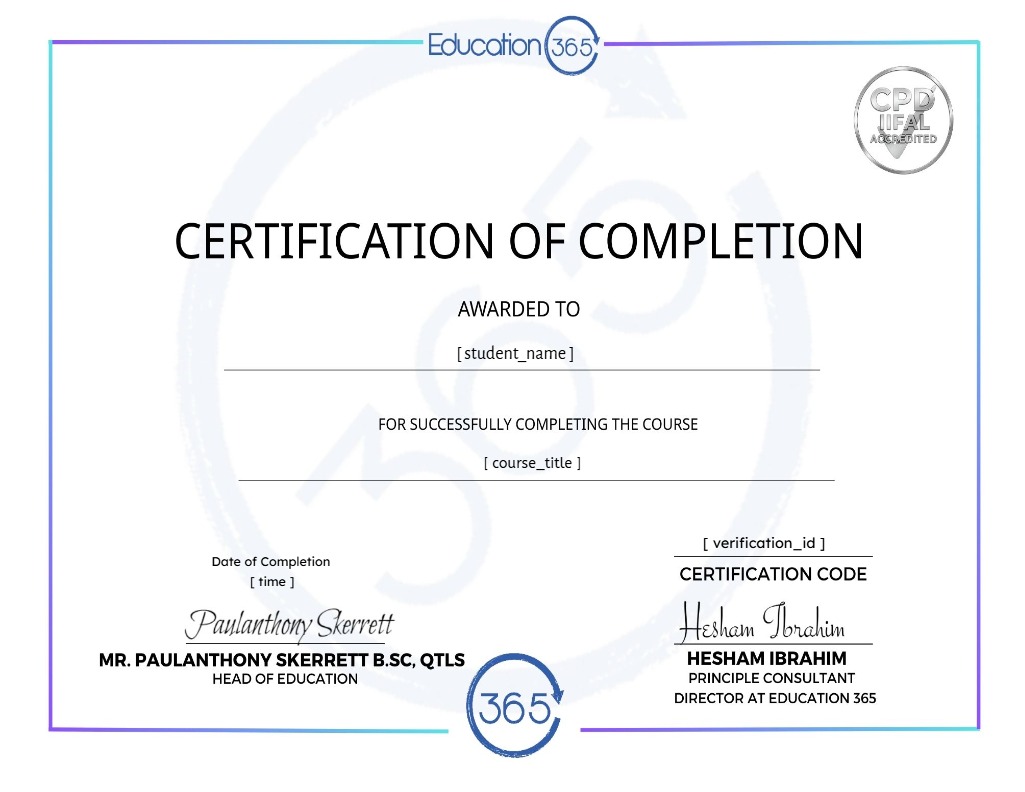
selected template

Student Ratings & Reviews

4.7
Total 3 Ratings
5
2 Ratings
4
1 Rating
3
0 Rating
2
0 Rating
1
0 Rating
HA
5 days ago
Well structured and informative.
DN
4 weeks ago
It was very detail and informative, and refreshed my knowledge about Safeguarding in school settings before I begin my new role.
TT
4 weeks ago
Very informative