

About Course
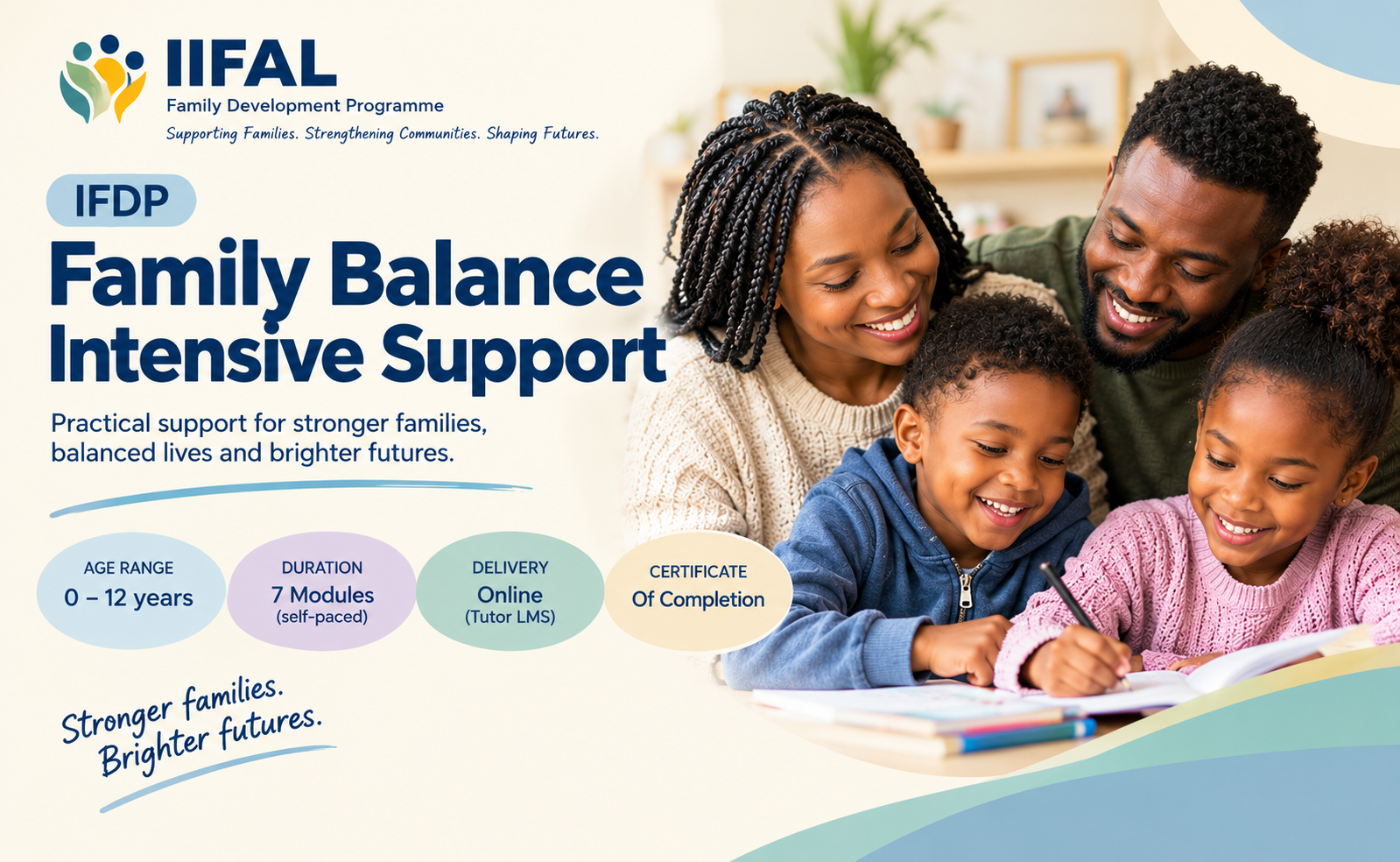
IFDP Family Balance Intensive Support is a structured online course for parents and carers of children aged 0 to 12 who are living with ongoing behavioural, emotional or parenting difficulties. It is designed for families who have already tried simple strategies and need a deeper, step-by-step approach.
Over ten modules you will learn to understand what lies behind your child’s behaviour, look after your own wellbeing, rebuild a warm relationship, set clear and consistent boundaries, respond calmly and safely to challenging behaviour, and help your child manage big feelings. You will finish by creating a one-page family balance plan to keep the changes going.
The course recognises that every family is shaped by its culture, faith, extended family and circumstances, and helps you draw on those strengths. Case studies, realistic scenarios and interactive activities let you practise each skill before you try it at home.
What you will learn
- Identify the patterns and triggers behind your child’s behaviour
- Recognise and manage your own stress and reactions
- Build a stronger, warmer relationship with your child
- Set a few clear family rules and follow through consistently
- Respond calmly and safely to challenging behaviour
- Support your child to understand and manage their feelings
- Work together with other carers, school and the wider family
- Measure progress and plan for setbacks
How the course works
- 10 modules, 40 lessons, from short focused lessons to longer lessons with case studies
- 12 interactive activities, including decision-making scenarios, sorting exercises and recall cards
- Study time: about 6 hours 30 minutes, plus practice at home. Most families work through one module a week.
Assessment and certificate
- Module practice checks have no pass mark. You can retake them as often as you like, and your scores do not count towards your result. Each one needs to be submitted once to mark the module as finished.
- The final assessment is the only assessment that counts. You need 70% to pass and you have three attempts in total.
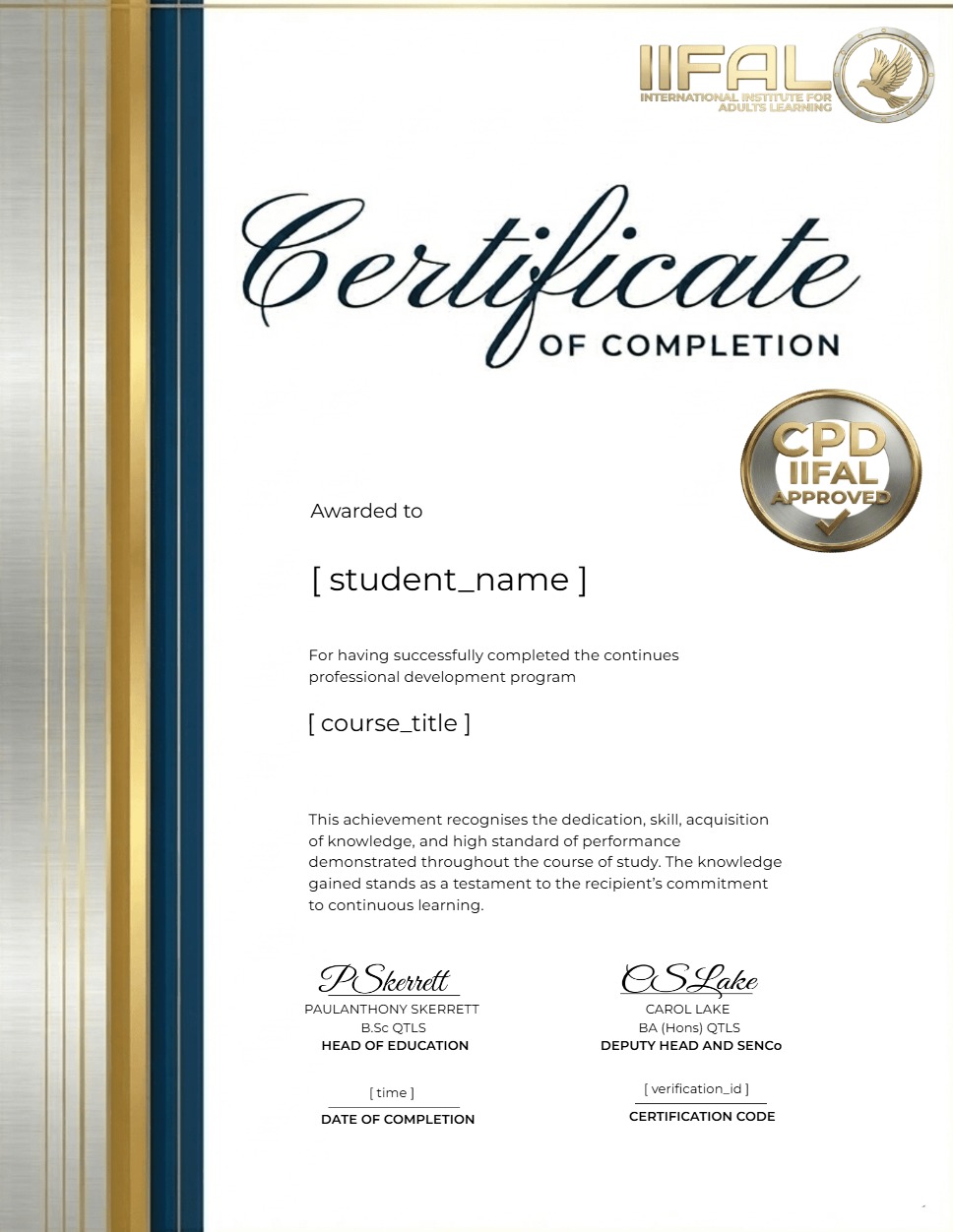
- Passing the final assessment completes the course and makes you eligible for the IFDP Family Balance Intensive Support Certificate of Completion.
This is an educational course. It does not assess or diagnose children, and it is not a substitute for support from health, education or social care professionals. If you are worried about anyone’s safety, contact the emergency services or a local support service straight away.
Supporting Families. Strengthening Communities. Shaping Futures.
Course Content
Module 1: Understanding Where Your Family Is Now
Lesson 1.1: Welcome and How This Course Works
Lesson 1.2: Describing What Is Really Happening
Lesson 1.3: Finding the Pattern with an ABC Diary
Lesson 1.4: Setting Goals You Can Measure
Module 1 Practice Check
Module 2: What Drives Behaviour
Module 3: Looking After Yourself
Module 4: Rebuilding Connection
Module 5: Clear Boundaries and Family Rules
Module 6: Responding to Challenging Behaviour
Module 7: Supporting Emotional Regulation
Module 8: Routines, School and the Wider World
Module 9: Working Together as a Family
Module 10: Sustaining Change
Final Assessment
Earn a certificate
Add this certificate to your resume to demonstrate your skills & increase your chances of getting noticed.
Student Ratings & Reviews
