
IIFAL Functional Skills Mathematics – Entry Level 2

Wishlist Share

About Course

This is a practical, confidence‑building maths course designed specifically for adult learners who want to strengthen their everyday numeracy skills for work, life, and further study.

This course develops essential number, measure, shape, and data skills through real‑world examples, workplace scenarios, and hands‑on activities that make maths clear, relevant, and accessible. Learners progress step by step from foundational number skills to confident problem solving.

Across 12 structured lessons, learners will build fluency in:

  • Reading, writing, and ordering numbers up to 200

  • Adding, subtracting, multiplying, and dividing whole numbers

  • Recognising simple fractions and using decimals in everyday contexts

  • Understanding money, budgeting, and financial decision making

  • Reading time, using timetables, and interpreting common date formats

  • Measuring length, weight, and capacity using metric units

  • Identifying 2D and 3D shapes and describing their properties

  • Extracting and comparing information from tables, lists, and bar charts

Each lesson is designed for adults returning to learning, using supportive teaching methods that build confidence, reduce maths anxiety, and encourage practical application.

By the end of the course, learners will be able to apply maths independently in everyday situations such as shopping, travel, budgeting, planning, and interpreting information, building both skill and self‑belief and preparing for progression to the next level.

Show More

What Will You Learn?

  • Build confidence in using numbers in everyday life including shopping, travel, work and home situations
  • Understand numbers up to 200 including place value, ordering and comparison
  • Recognise and use odd and even numbers in simple problem-solving tasks
  • Develop skills in adding and subtracting two-digit numbers accurately
  • Understand multiplication and apply it to real-life grouping and repeated addition
  • Use division and understand remainders in practical sharing situations
  • Learn how to round numbers and make sensible estimates for checking answers
  • Understand simple fractions including halves, quarters and thirds in everyday contexts
  • Be introduced to basic decimals and their use in money and measurement
  • Develop confidence in handling money, budgeting and making simple financial decisions
  • Understand time, measurements and simple data used in everyday situations

Course Content

Numbers in Daily Life
This module introduces learners to how numbers are used in everyday situations, including shopping, travel, work and household tasks. Learners will develop confidence in recognising, reading and using numbers in practical contexts to solve simple real-life problems.

  • Counting and Number Recognition up to 100
  • Numbers in Daily Life: True or False Quiz

Numbers to 200 and Place Value
Learners will explore numbers up to 200 and develop an understanding of place value, including hundreds, tens and ones. The module helps learners build confidence in reading, writing, ordering and comparing numbers for everyday use.

Odd and Even Numbers
This module introduces odd and even numbers and helps learners recognise patterns in number sequences. Learners will identify odd and even numbers and apply this knowledge to everyday maths activities and problem-solving tasks.

Mastering 2-Digit Addition
Learners will develop skills in adding two-digit numbers using practical methods and real-life examples. The module supports confidence in solving everyday addition problems such as shopping totals, budgeting and workplace calculations.

Subtraction of 2-Digit Numbers
This module focuses on subtracting two-digit numbers accurately using written and mental methods. Learners will apply subtraction skills to practical situations such as calculating change, comparing amounts and managing finances.

Mastering Multiplication
Learners will build an understanding of multiplication through repeated addition, grouping and practical examples. The module develops skills for solving everyday problems involving quantities, costs and simple times tables.

Division and Remainders
Learners will explore division as sharing and grouping, including understanding remainders. The module uses real-life scenarios to help learners solve problems involving equal sharing, quantities and simple calculations.

Rounding and Estimation
This module introduces learners to rounding numbers and making sensible estimates. Learners will develop practical skills to check calculations, estimate costs and make informed decisions in everyday situations.

Understanding Fractions
Learners will explore simple fractions, including halves, quarters and thirds, and understand fractions as parts of a whole. The module links fractions to practical activities such as food, measurements and sharing.

Introductory Decimals
This module introduces learners to basic decimals and their links to money and measurements. Learners will develop confidence in reading, recognising and using decimals in everyday contexts.

Money and Budgeting
Learners will develop practical money management skills, including recognising coins and notes, calculating costs and managing simple budgets. The module supports confidence in making financial decisions in everyday life.

Time, Measures and Data
This module introduces learners to telling time, using common measurements and understanding simple data. Learners will interpret charts, measure everyday items and apply these skills to practical daily tasks.

Functional Skills Maths Entry Level 2 – Full assessment
This timed assessment evaluates learners’ foundational maths skills at Entry Level 2 across both non-calculator and calculator sections. It assesses number recognition, counting, simple addition and subtraction, and interpreting basic information such as charts, lists, money, time, measures, shapes, and data. The assessment also develops learners’ ability to apply basic calculator skills where appropriate and demonstrate independent working in everyday mathematical contexts.

Earn a certificate

Add this certificate to your resume to demonstrate your skills & increase your chances of getting noticed.
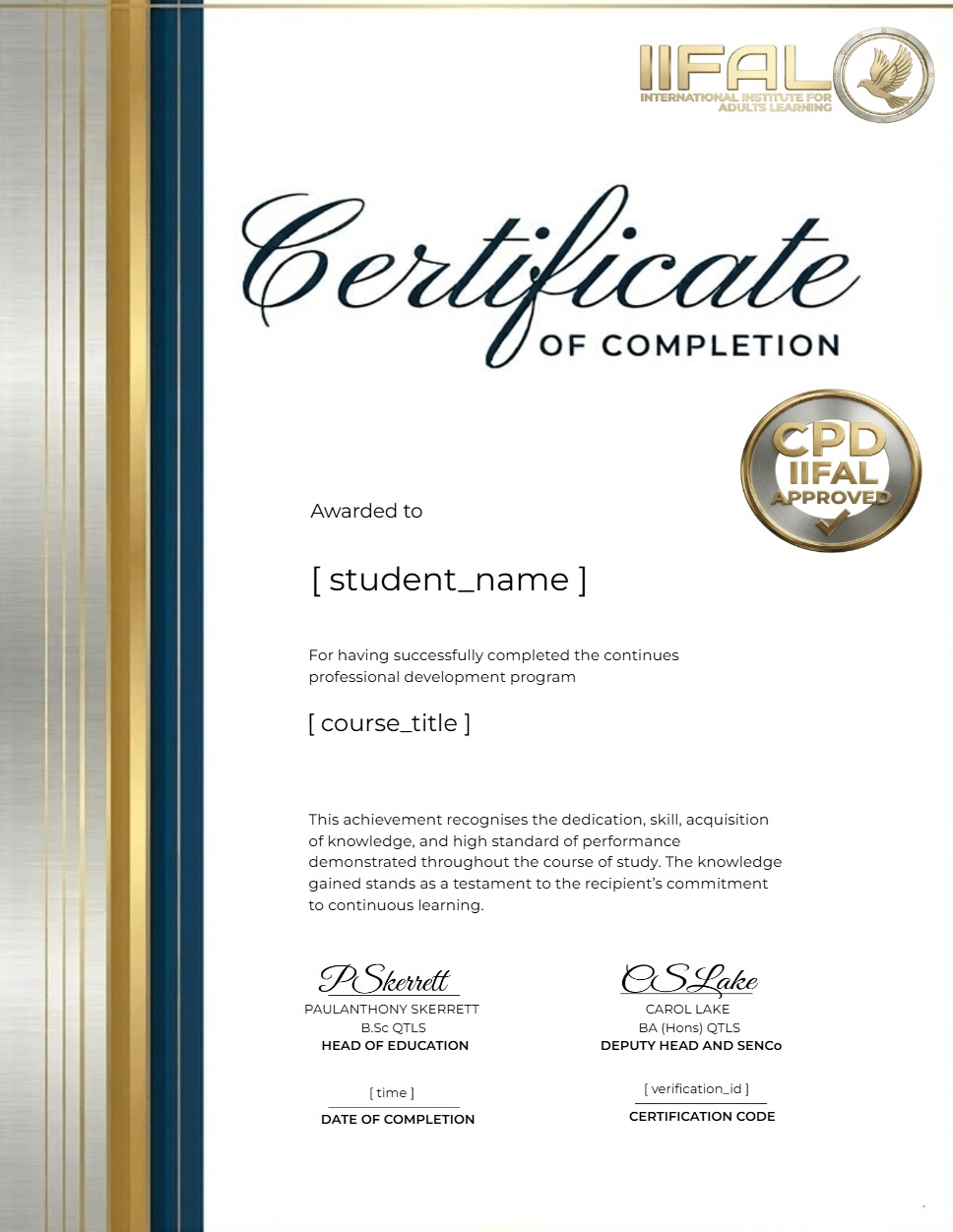
selected template

Student Ratings & Reviews

No Review Yet
No Review Yet