

Professional Wellbeing: Avoiding Burnout While Leading

Wishlist Share

About Course

Leadership in education can be rewarding, but it also brings significant responsibility and pressure. School leaders and senior educators often carry the weight of supporting staff, students, safeguarding responsibilities, and organisational expectations. Over time, these pressures can lead to stress, fatigue, and burnout if not managed carefully.

This CPD course explores how leaders in education can recognise the early signs of burnout and develop practical strategies that support sustainable leadership. The session focuses on protecting personal wellbeing while still maintaining strong leadership and positive school cultures.

Participants will explore approaches to managing workload, setting professional boundaries, and creating supportive environments where both staff and students can thrive. The course encourages reflection on leadership habits and offers simple tools that help leaders maintain resilience and balance in demanding educational roles.

Show More

What Will You Learn?

  • Recognise the early signs of burnout in education and leadership roles
  • Understand the impact of stress on staff morale, decision-making, and school culture
  • Apply strategies to manage workload and competing priorities effectively
  • Set and maintain healthy professional boundaries
  • Develop time and energy management systems to reduce overwhelm
  • Build supportive teams and promote staff wellbeing across the school
  • Cultivate emotional resilience and reflective leadership practices
  • Create a personal wellbeing action plan to sustain leadership energy and balance

Course Content

Module 1: Understanding Burnout in Educational Leadership
Module 1 introduces the concept of burnout in educational leadership and explores why many school leaders and educators experience increasing levels of pressure. Participants will examine common challenges such as managing staff, meeting performance expectations, supporting students, and balancing safeguarding responsibilities. The lesson explains how burnout can develop gradually when workload, emotional demands, and leadership responsibilities become overwhelming.The module also focuses on recognising early warning signs of stress and fatigue, including emotional exhaustion, reduced motivation, and professional overload. Participants will explore how leadership stress can influence staff morale, decision-making, and overall school culture, helping them understand the importance of identifying burnout early and maintaining healthy leadership practices.

  • Lesson 1.1 – What Is Burnout in Education?
  • Lesson 1.2 – Early Warning Signs of Stress and Fatigue
    06:18
  • Lesson 1.3 – The Impact of Leadership Stress on Schools
  • Understanding Burnout in Educational Leadership

Module 2: Sustainable Leadership Practices
Module 2 focuses on developing sustainable leadership practices that help educators and school leaders manage the demands of their roles without compromising wellbeing. Participants will explore practical strategies for managing workload and prioritising tasks, ensuring that competing responsibilities are addressed effectively and efficiently.The module also emphasises the importance of setting healthy professional boundaries to protect personal wellbeing while maintaining leadership authority. In addition, learners will examine time and energy management techniques, including simple systems and routines, designed to reduce overwhelm, enhance productivity, and support long-term resilience in demanding educational leadership roles.

Module 3: Building a Culture of Staff Wellbeing
Module 3 focuses on creating a positive and sustainable culture of staff wellbeing within schools. Participants will learn how to build supportive teams by fostering collaboration, trust, and open communication, ensuring that staff feel valued and connected.The module also explores strategies for promoting wellbeing across the entire school, including practical approaches to support teachers and staff in managing workload, stress, and professional challenges. Finally, learners will examine the importance of leading by example, modelling healthy work habits and professional balance, which encourages staff to adopt similar practices and contributes to a resilient, engaged, and motivated school community.

Module 4: Personal Leadership Resilience
Module 4 focuses on strengthening personal leadership resilience to sustain wellbeing and effectiveness in demanding educational roles. Participants will explore reflective leadership practices, learning how regular self-reflection can improve decision-making, enhance awareness, and support professional growth.The module also covers strategies for maintaining emotional resilience, including techniques to stay calm, focused, and composed under pressure. Finally, learners will develop a personal wellbeing action plan, providing a practical framework to manage energy, balance responsibilities, and maintain long-term resilience. Together, these skills help leaders lead confidently while protecting their own wellbeing and modelling sustainable practices for their teams.

Final Assessment – Professional Wellbeing and Sustainable Leadership
This assessment evaluates participants’ understanding of key concepts from all four modules: recognizing burnout, sustainable leadership practices, building a culture of staff wellbeing, and personal leadership resilience. Participants will answer 12 questions covering practical strategies, early warning signs, workload management, professional boundaries, and reflective practices. To successfully complete the course and receive a certificate, participants must achieve a score of 70% or higher. Participants are allowed two attempts to pass the assessment.Assessment Details:Number of Questions: 12 Passing Score: 70% Attempts Allowed: 2 Format: Multiple Choice Instructions: Read each question carefully and select the best answer. Use your knowledge from all course modules.

Earn a certificate

Add this certificate to your resume to demonstrate your skills & increase your chances of getting noticed.
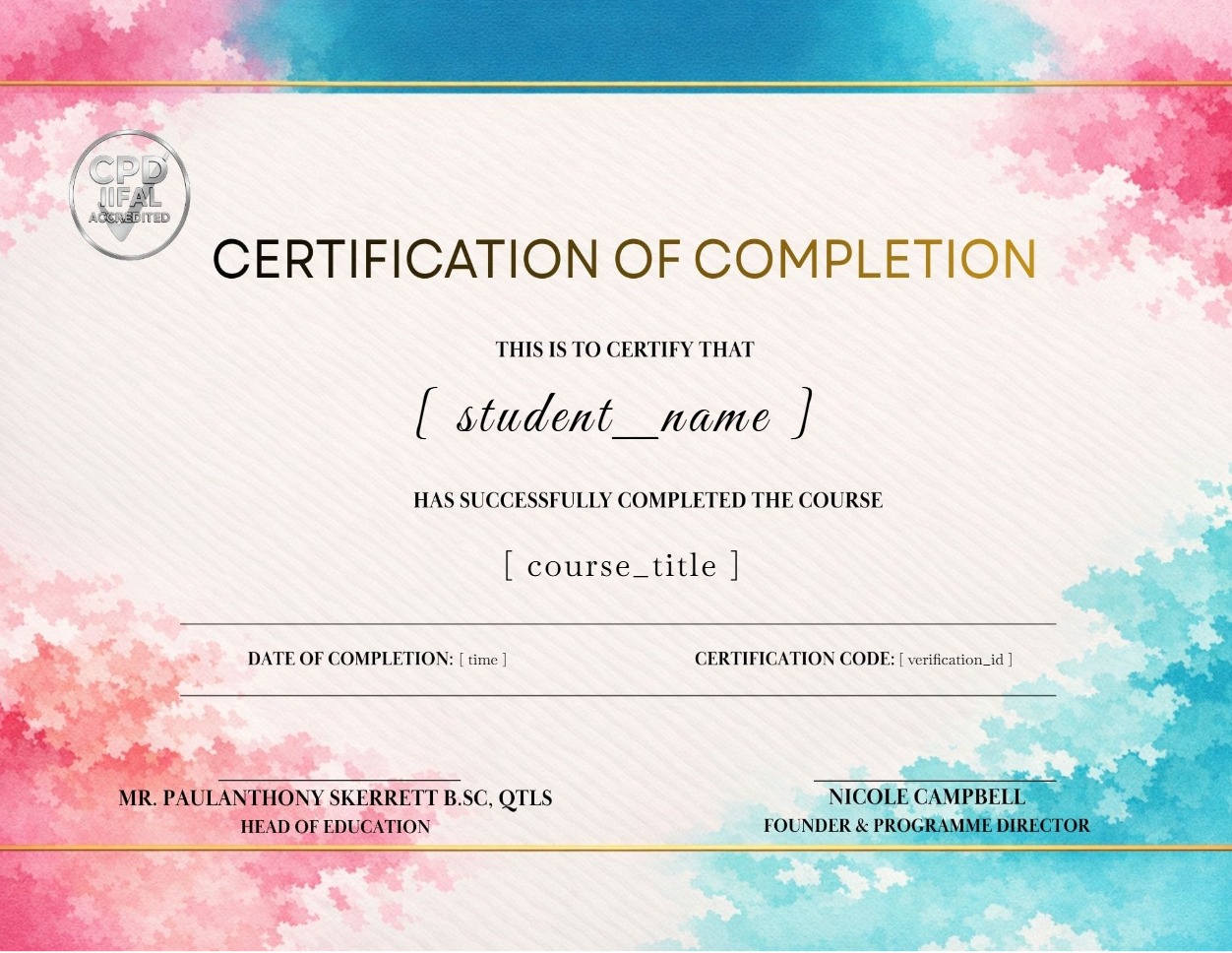
selected template

Student Ratings & Reviews

No Review Yet
No Review Yet