
Fraud Prevention – Understanding Money Mules

About Course

Fraud Prevention – Understanding Money Mules is a two-hour, self-paced CPD online course designed to raise awareness of fraud and money mule activity, with a particular focus on how young people are targeted and exploited.

The course explores what fraud and money muling are, why young people aged 11 and over are vulnerable, and how criminals use grooming, manipulation, and social media to recruit individuals into illegal activity. Learners are guided through realistic scenarios, interactive quizzes, and case studies to help them recognise red flags, understand the risks, and make safe, informed decisions.

UK law and potential legal consequences are explained in a clear and accessible way, alongside practical guidance on how to protect personal and financial information. The course also provides clear reporting routes and advice on how trusted adults, mentors, parents, carers, and professionals can support young people effectively.

This course is suitable for young people, school staff, safeguarding leads, parents, carers, youth workers, mentors, and community organisations. It is designed to support safeguarding, financial education, and fraud-prevention objectives across educational and community settings.

Upon successful completion of the course, learners will receive a Certificate of Completion for 2 CPD hours, which can be used as evidence of continued professional development.

Show More

What Will You Learn?

  • Understand what fraud and money mule activity is and how it operates
  • Recognise grooming tactics and manipulation techniques
  • Identify risky messages, fake job offers, and social media scams
  • Recognise red flags for financial exploitation and suspicious requests
  • Understand UK law and the consequences of money mule activity
  • Make safe decisions when approached with suspicious offers
  • Know how and where to report concerns effectively
  • Protect personal and financial information online and offline
  • Support young people or peers as a mentor or trusted adult

Course Content

Module 1: Understanding Fraud, Money Mules, and the Law
This module introduces learners to the fundamental concepts of fraud and money mule activity, providing a clear explanation of how these crimes operate and why young people are frequently targeted. Learners are guided through common types of fraud, including fake job offers, phishing messages, and social media scams, and are introduced to the Fraud Triangle to help them understand how opportunity, pressure, and justification are used to manipulate individuals.The module explores what it means to be a money mule, how recruitment typically occurs through digital platforms, and the serious legal and personal consequences that can follow, even when involvement happens only once or without full awareness. UK legislation, including the Fraud Act 2006 and the Proceeds of Crime Act 2002, is explained in an accessible way to ensure learners understand their responsibilities and the risks involved.By the end of this module, learners will have a strong foundation in recognising fraudulent behaviour, identifying early warning signs, and understanding why refusing, reporting, and seeking support from a trusted adult or mentor is always the safest response.

  • Lesson 1.1 – What Is Fraud and the Fraud Triangle?
  • Lesson 1.2 – Money Mules, Social Media, Red Flags, and Risks
  • Lesson 1.3 – UK Law and Responsibilities
  • Lesson 1.4 – Consequences of Money Mule Activity
  • Knowledge Check – Module 1: Understanding Fraud, Money Mules, and the Law

Module 2: Grooming and Manipulation Tactics
This module focuses on how criminals groom and manipulate young people and adults into fraud and money mule activity. Learners explore what grooming is, how it can happen both online and offline, and why it often does not feel dangerous at the start. The module breaks down the stages of grooming, including targeting, trust-building, isolation, and control, and examines common tactics such as flattery, secrecy, urgency, small “test” tasks, and emotional pressure.Through real-world case studies and scenarios, learners gain the skills to recognise manipulation early, understand how grooming escalates over time, and identify when behaviour crosses into exploitation. The module emphasises the importance of speaking to a trusted adult, mentor, or safeguarding lead as soon as concerns arise.

Module 3: Social Media and Digital Recruitment
This module examines how social media and digital platforms are used to recruit young people into fraud and money mule activity. Learners explore how fake profiles are created to appear legitimate, including the use of stolen images, professional language, and persuasive messaging. The module highlights the risks associated with direct messages, comments, and online offers that promise easy money, prizes, or exclusive opportunities.Learners develop practical skills to assess online interactions, identify warning signs, and understand why criminals may appear friendly, supportive, or professional. The module reinforces safe online behaviour, including blocking and reporting suspicious accounts and involving trusted adults or safeguarding teams.

Module 4: Messages, Payment Requests, and Financial Risk
This module focuses on recognising and responding to risky messages, payment requests, and attempts to access personal or financial information. Learners examine how urgency, pressure, and secrecy are used in texts, emails, and online messages to disrupt clear thinking and prompt quick decisions.Through scenarios and knowledge checks, learners learn how to identify dangerous requests, such as being asked to share bank details, verification codes, or to move money on someone else’s behalf. The module reinforces clear safety rules, including never sharing codes or banking information and never transferring money for others.

Module 5: Interactive Case Study – Recognising and Responding to Exploitation
This module brings together learning from earlier modules through an interactive case study based on a realistic social media scenario. Learners analyse a fake opportunity to identify grooming tactics, money mule red flags, and manipulation strategies used by criminals.Learners are guided to consider the safest responses at each stage, including refusal, blocking, reporting, and seeking support from a trusted adult or mentor. The module encourages critical thinking, reflection, and confident decision-making in real-life situations.

Module 6: Staying Safe, Reporting, and Supporting Others
The final module focuses on prevention, reporting, and long-term safety. Learners review key safety rules for protecting personal and financial information and explore how reporting suspicious activity can prevent harm to themselves and others.The module provides clear guidance on how and where to report concerns, including speaking to trusted adults, schools, safeguarding leads, banks, and relevant reporting services. It also supports adults and mentors by outlining how to respond appropriately when a young person discloses concerns or asks for help. The module reinforces the message that early reporting reduces risk and supports safer outcomes.

Final Assessment – Fraud Prevention: Understanding Money Mules
This final assessment allows learners to demonstrate their understanding of the full course content, including fraud, money mule activity, grooming, digital recruitment, risky messages, and safety practices. The assessment consists of 15 multiple-choice questions designed to test learners’ knowledge, reinforce key concepts, and build confidence in recognising scams and exploitation. Successful completion of this assessment confirms learners’ ability to identify early warning signs, respond safely, and apply the protective strategies covered throughout the course.

Earn a certificate

Add this certificate to your resume to demonstrate your skills & increase your chances of getting noticed.
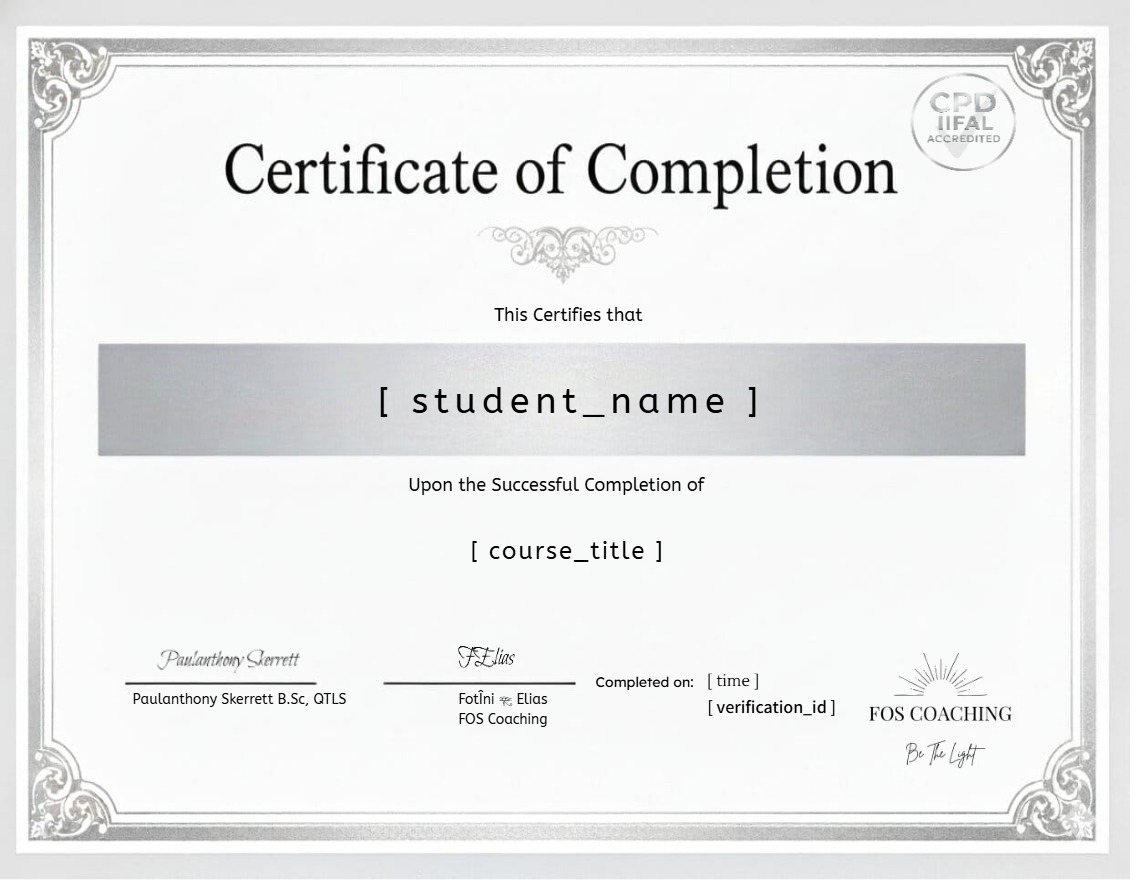
selected template

Student Ratings & Reviews

No Review Yet
No Review Yet