


De-escalation & Personal Safety Training

Wishlist Share

About Course

This course equips professionals with essential skills to recognise and safely defuse conflict before it escalates. Through interactive learning and practical strategies, participants will build confidence in managing difficult interactions, improving personal safety and workplace wellbeing.

What the course covers

  • Understanding conflict and lone working: what conflict and aggression look like, common causes and warning signs, and the risks of working alone.
  • Communication and de-escalation: attitude and behaviour models, verbal and non-verbal communication, active listening and managing difficult conversations.
  • Risk assessment and the law: dynamic risk assessment, decision-making frameworks, and organisational and legal duties, including African and Caribbean contexts.
  • Personal safety techniques: situational awareness, safe positioning and escape routes, and an introduction to breakaway and disengagement.
  • Incident reporting and aftercare: recording incidents clearly and factually, and the support available to staff afterwards.

Who it’s for

Anyone whose work can involve challenging or aggressive behaviour, including front-line and customer-facing staff, lone and community workers, education, health and social care staff, housing and security teams, and volunteers.

How it works

Five self-paced modules with practical checklists, a quiz after each module and a final assessment. Learners who pass receive an IIFAL certificate of completion.

Breakaway and physical disengagement techniques are introduced for awareness only. They should be practised in person with a qualified trainer before being relied on.

Show More

What Will You Learn?

  • Recognise the signs and common causes of conflict and aggression
  • Understand the risks of lone working and how to reduce them
  • Use verbal and non-verbal communication to calm tense situations
  • Apply active listening to manage difficult conversations
  • Carry out a dynamic risk assessment and make safe decisions
  • Use situational awareness, safe positioning and escape routes
  • Understand the principles of breakaway and disengagement
  • Record incidents clearly and access support afterwards

Course Content

Module 1: Understanding Conflict & Lone Working
This module covers the definition of conflict and aggression, helping learners understand their nature. It explores common causes of conflict and the behavioural changes that may arise as a result. Additionally, the module highlights the risks associated with lone working and how to recognise them to ensure safety.

  • Define conflict and aggression
    02:17
  • Examples of Conflict and Aggression
  • Identify common causes and behavioural changes
  • Identify Common Causes and Behavioural Changes (with Examples and Scenarios)
  • How to Respond to Behavioural Changes in Conflict and Aggression
    04:21
  • Recognise Lone Working Risks
  • Lone Working Risk Assessment Checklist
  • Module 1 Quiz: Understanding Conflict & Lone Working

Module 2: Communication & De-escalation Strategies
Module 2: Communication & De-escalation Strategies covers key concepts essential for effective interaction and conflict resolution. It explores attitude and behaviour models that influence how individuals communicate and respond in challenging situations. The module highlights the importance of both verbal and non-verbal communication skills in conveying messages clearly and reading others accurately. Additionally, it focuses on active listening techniques and strategies for managing difficult conversations to reduce tension and promote positive outcomes.

Module 3: Risk Assessment & Legal Context
This module covers the essential concepts of dynamic risk assessments, which involve continuously identifying and evaluating potential hazards in changing situations. It introduces decision-making frameworks that help guide appropriate and timely responses to risks. Additionally, the module explores organisational policies and legal obligations, ensuring that actions comply with relevant laws and internal guidelines to maintain safety and accountability.

Module 4: Personal Safety & Lone Working Techniques
This module focuses on key strategies to maintain personal safety while working alone. It covers the development of situational awareness to recognize and respond to potential threats promptly. The module also emphasizes the importance of safe positioning and knowing escape routes to minimise risk and facilitate quick evacuation if needed. Additionally, it introduces breakaway and disengagement skills, equipping learners with practical techniques to safely free themselves from unwanted physical contact or aggression.

Module 5: Incident Reporting & Aftercare
This module focuses on the essential steps following a conflict or safety incident in the workplace. It highlights the importance of accurate and timely incident reporting and explores available aftercare support for individuals involved.Learners are introduced to incident documentation procedures, including how to record details such as the date, time, location, people involved, what happened, actions taken, and the outcome. Emphasis is placed on using clear, factual, and objective language, as well as following the organisation’s specific reporting protocols.The module also covers post-incident support options. These may include debriefing sessions, counselling, medical attention, peer support, and formal review meetings. Learners are encouraged to understand the importance of accessing emotional and psychological support after an incident and to know where to seek help within their organisation or externally.By the end of this module, learners will be able to:Follow correct incident reporting procedures.Recognise the importance of accurate, unbiased documentation.Identify appropriate aftercare and support services following an incident.

De-escalation & Personal Safety Training – Final Assessment
This assessment is designed to evaluate your understanding of key concepts covered in the De-escalation & Personal Safety Training course. You will be tested on recognising conflict signs, applying communication techniques, conducting risk assessments, and maintaining personal safety in challenging situations. Successful completion demonstrates your readiness to safely manage and defuse conflict in the workplace.

Earn a certificate

Add this certificate to your resume to demonstrate your skills & increase your chances of getting noticed.
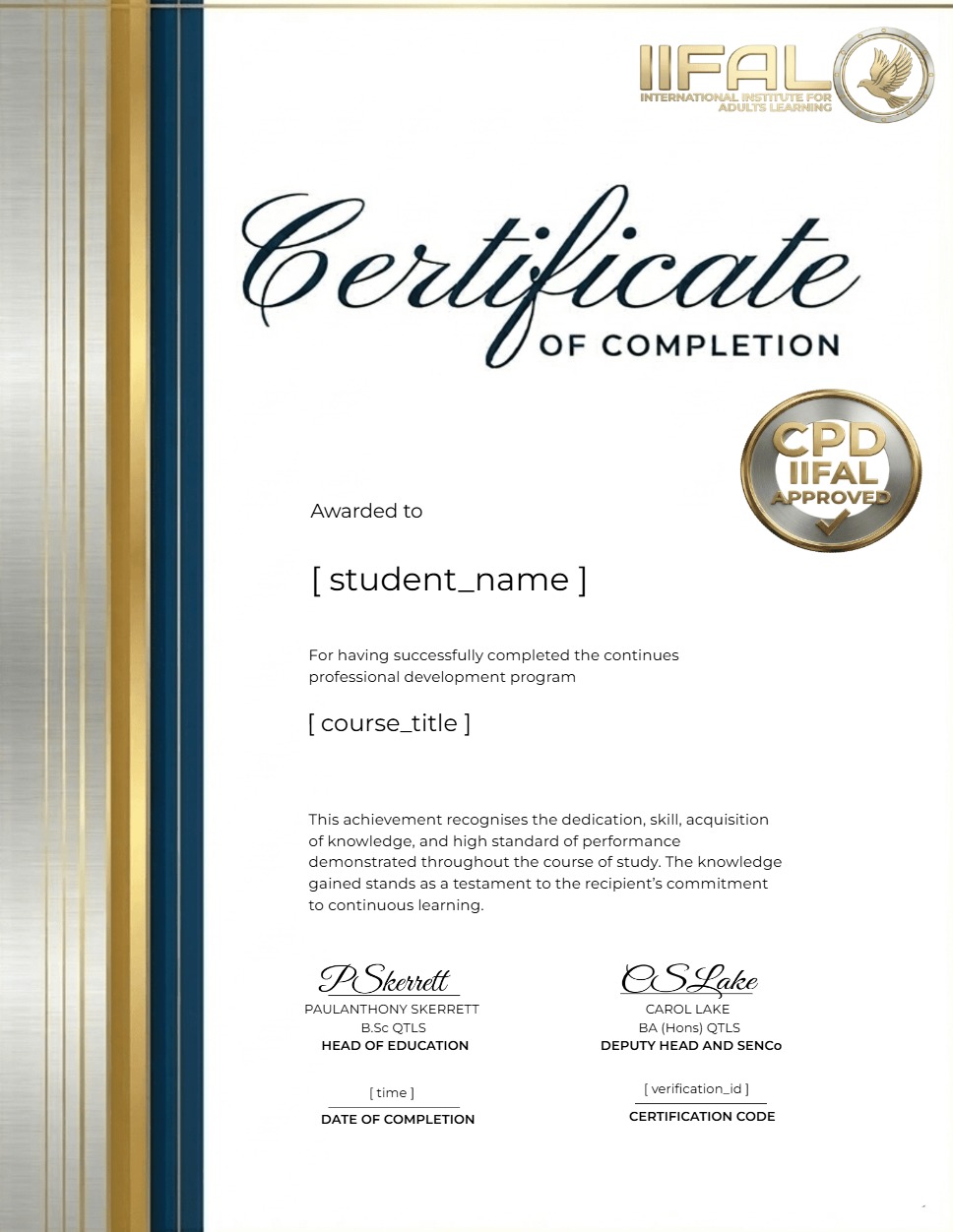
selected template

Student Ratings & Reviews

No Review Yet
No Review Yet

Want to receive push notifications for all major on-site activities?

✕